Healthy skin often reflects consistent care and informed choices. Many individuals look for ways to improve skin tone, texture, and overall clarity without relying on complex routines. One widely discussed approach is chemical peeling treatment, a method that focuses on renewing the outer layer of the skin through controlled exfoliation. This process supports the natural cycle of skin renewal while helping individuals better understand how professional treatments can fit into a broader skincare plan.
Knowing Chemical Peeling Treatment and Skin Renewal
Chemical peeling treatment works by applying a specialized solution to the skin, which encourages the outermost layers to shed over time. This controlled process allows new skin to surface gradually. Skin cells naturally renew themselves, but external factors such as sun exposure, pollution, and aging can slow this process. A peel helps bring attention back to the skin’s natural rhythm.
Different formulations exist depending on skin type and concern. Some peels act on the surface, while others reach deeper layers. Professionals assess the skin before deciding which level suits a person’s condition. This approach ensures that the treatment aligns with individual needs rather than following a one-size-fits-all method.
How Chemical Peeling Treatment Supports Skin Texture and Tone
Skin texture and tone often change due to environmental exposure and internal factors. Uneven patches, dullness, or rough areas may appear over time. Chemical peeling treatment addresses these concerns by encouraging the removal of older, damaged skin layers.
As the skin renews, individuals may notice gradual changes in how their skin feels and looks. The process does not rely on instant transformation. Instead, it works through a structured cycle that supports consistency. This makes it important to understand the timeline and expected progression before beginning any treatment.
The Process Behind Chemical Peeling Treatment Sessions
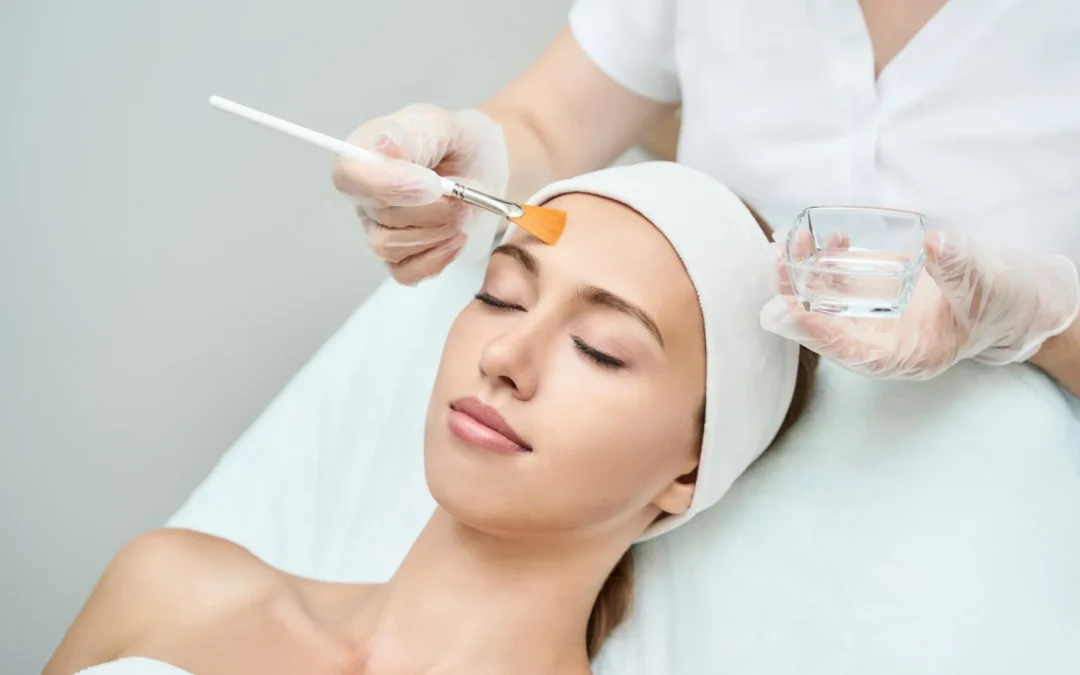
A typical session begins with a detailed consultation. A skincare professional evaluates the skin and discusses goals, history, and sensitivities. The treatment itself involves cleansing the skin, applying the peeling solution, and monitoring how the skin reacts during the procedure.
After the session, the skin may feel different as it enters the renewal phase. This stage requires attention and care, as the outer layer gradually sheds. The experience can vary depending on the depth of the peel and the individual’s skin condition. Following professional guidance remains essential throughout the process. This ensures that the skin adjusts well and that the results align with expectations.
Comparing Chemical Peeling Treatment with Microneedling Skin Treatment
When exploring advanced skincare options, many individuals also come across microneedling skin treatment. While both approaches aim to improve skin quality, they work through different mechanisms. Chemical peeling treatment focuses on exfoliating the outer layers, while microneedling skin treatment involves creating controlled micro-injuries to stimulate the skin’s internal repair process.
The choice between the two depends on the skin concern, sensitivity, and desired outcome. Some individuals may explore both methods at different times as part of a broader skincare plan. Understanding how each approach works allows for better decision-making and realistic expectations.
What to Expect After Chemical Peeling Treatment
After the procedure, the skin begins its renewal phase. This stage may involve mild peeling or flaking as the outer layers shed. The process can vary in intensity depending on the type of peel used. It is important to follow the aftercare instructions carefully. This often includes keeping the skin hydrated and protected from direct sun exposure. The focus during this stage remains on supporting the skin as it transitions through its natural cycle. Patience is key during this period. The results develop gradually, and consistency in care helps maintain the overall outcome.
Integrating Microneedling Skin Treatment into a Skincare Plan
Some individuals explore microneedling skin treatment as part of a long-term skincare routine. This approach focuses on stimulating collagen production by creating tiny channels in the skin. Over time, this process supports skin structure and resilience. While Microneedling Skin Treatment differs from chemical peeling treatment, both methods can complement each other when planned carefully. A professional can recommend the appropriate timing and sequence based on the skin’s condition. Combining different approaches requires a clear understanding of how each treatment affects the skin. This ensures that the skin receives balanced care without unnecessary stress.
Choosing the Right Approach for Your Skin
Selecting a treatment involves more than following trends. Each individual has unique skin characteristics that influence how treatments work. Factors such as sensitivity, lifestyle, and long-term goals all play a role in determining the best approach. Chemical peeling treatment offers a structured method for addressing surface-level concerns, while microneedling skin treatment focuses on deeper stimulation. Understanding these differences allows individuals to make informed choices that align with their needs. Professional consultation remains an important step in this process. It provides clarity and helps create a plan that supports both short-term and long-term skin health.
A Thoughtful Path Toward Clear Skin
Clear and confident skin often results from consistent care and informed decisions. Chemical peeling treatment provides a methodical approach to skin renewal that aligns with the body’s natural processes. When combined with proper preparation, aftercare, and professional guidance, it becomes part of a balanced skincare journey. At Damas SkinCare and Laser, individuals can explore personalized skincare solutions designed to match their unique needs. With a focus on clarity and care, the right approach can support a steady path toward healthier-looking skin. Get in touch with us through info@damasskincare.ca or +1 647 886 0444.
FAQs
What is chemical peeling treatment, and how does it work?
Chemical peeling treatment involves applying a solution that helps remove the outer layer of skin. This process encourages new skin to appear gradually. It supports the natural renewal cycle of the skin. The treatment varies based on skin type and concern.
Is microneedling skin treatment suitable for all skin types?
Microneedling skin treatment can work for many skin types, but suitability depends on individual conditions. A professional evaluates the skin before recommending it. The process focuses on controlled stimulation. Proper guidance ensures safe application.
How long does it take to see results after a peel?
Results from a peel develop over time as the skin renews itself. The timeline depends on the depth of the treatment. Some individuals notice changes within days, while others may take longer. Consistency in aftercare plays a key role.
Can chemical peels and microneedling be combined?
Both treatments can be part of a skincare plan when spaced appropriately. A professional decides the timing based on skin condition. Combining them without guidance may stress the skin. Structured planning ensures better outcomes.
What should I avoid after a skin treatment session?
After a session, individuals should avoid direct sun exposure and harsh products. The skin remains sensitive during the renewal phase. Following professional advice helps protect the skin. Gentle care supports the healing process.